

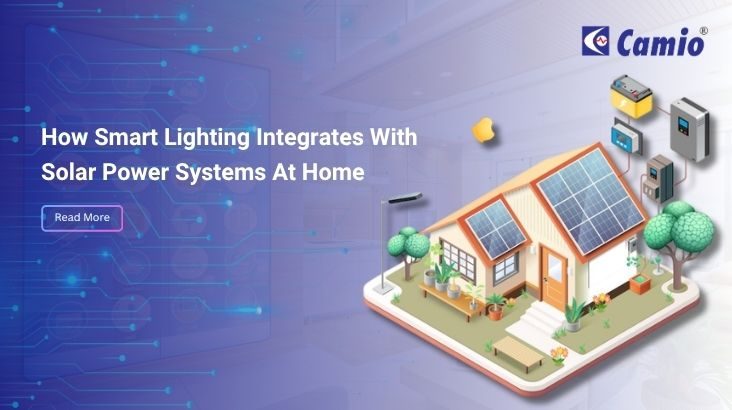
Smart homes don’t just have voice assistants or devices that can be managed by apps anymore. Homeowners today are making their homes more energy efficient by mixing clean energy with automation. Smart lighting with solar energy integration is one of the most useful combinations because it lowers power bills and increases control and convenience.
What Is Smart Lighting and Solar Integration?
When you use apps, sensors, or your voice, you can handle smart lighting systems from afar. When paired with solar power systems, these lights get their power from solar panels instead of the power grid.
Solar panels, batteries, and lighting settings are all part of this idea of smart home solar integration. Solar panels make power during the day. It either directly powers your lights or stores energy in batteries for use at night.
How the Integration Works
The process of merging is easy and works very well. Solar panels put on roofs collect sunlight and turn it into power. Here’s how the power gets to your home: it goes through an inverter.
Your lighting system links to the solar power source when you use smart lighting with solar power. If you have a battery, it can store extra power for later use.
For smart lighting solutions to work, they use:
- Motion sensors to turn lights on and off
- Timers for planned lights
- Remote control apps for phones
- AI-based changes to light and usage
Together, these components create effective solar-powered home automation lighting systems that save time and money.
Key Components of the System
To put together an integrated system, you need a few key parts:
- Solar Panels: These collect sunlight and turn it into power. The size you need relies on how much energy your home does.
- Battery Storage: Batteries hold energy that isn’t being used. This keeps your lights on even when the power goes out or when it’s dark.
- Smart Lighting Devices: You can handle these things with your voice or an app. Examples include smart bulbs, LED strips, and automatic switches.
- Controller or Hub: Solar energy and lighting control talk to each other through a central system.
When put together, these parts make solar lighting systems for modern homes that work well.
Benefits of Smart Solar Lighting
Putting solar power and smart lights together does more than just save energy. It also makes everyday life better by making lighting faster, more consistent, and easier to control.
- Lower Electricity Bills: Solar-powered smart lighting lessens reliance on energy from the grid. In the long run, this saves a lot of money.
- Energy Efficiency: Smart systems make sure that lights only turn on when they’re needed. Features like lowering and scheduling make things even more efficient.
- Eco-Friendly Living: Clean and endless, solar electricity is a good choice. When you combine it with automation, your carbon output goes down.
- Backup During Power Cuts: If you store power in batteries, your lights will still work even when the power goes out.
- Convenience and Control: You can change the lights from anywhere with smart lighting automation. You can also make habits that fit the way you live.
Real-Life Use Cases
Smart lighting with solar energy integration is already being used in a variety of ways by many homes.
- Solar panels power yard lights outside.
- Motion-sensor lights to keep you safe
- Automated lights inside based on time or occupancy
- Street-style solar lights for paths and driveways
These uses demonstrate the adaptability and scalability of solar-powered home automation lighting systems.
Things to Consider Before Installation
Remember these things before you set up your system:
- Sunlight: The area where you live should get enough sunlight for solar power creation to work well.
- Initial Investment: Solar systems cost money up front, but they pay for themselves over time.
- Compatibility: Make sure that the lights you’re using can work with smart home solar integration.
- Battery Size: Pick a storage option based on how much light you need.
When you plan these things right, you can be sure of better results and return on investment.
Future of Smart Solar Lighting
Smart lighting with solar power appears to have a bright future. As AI and IoT get better, lighting systems are getting smarter and better at what they do.
Soon, houses will have systems that can predict the weather, figure out how many people are in the house, and change the lights based on that information. More reliable and easy to get solar-powered smart lighting will also come from better battery technology.
Conclusion
Smart lighting and solar power together are a useful way to live in a more environmentally friendly way. It saves money on energy, makes things easier, and encourages people to live in an eco-friendly way. With the rise of smart lighting automation, more homes are switching to energy options that are smarter and use less energy.
Putting money into solar lighting systems now will not only help your home, but it will also help make the future better.